
Why Most Marketing Automation Strategies Fail (And How to Fix Them)
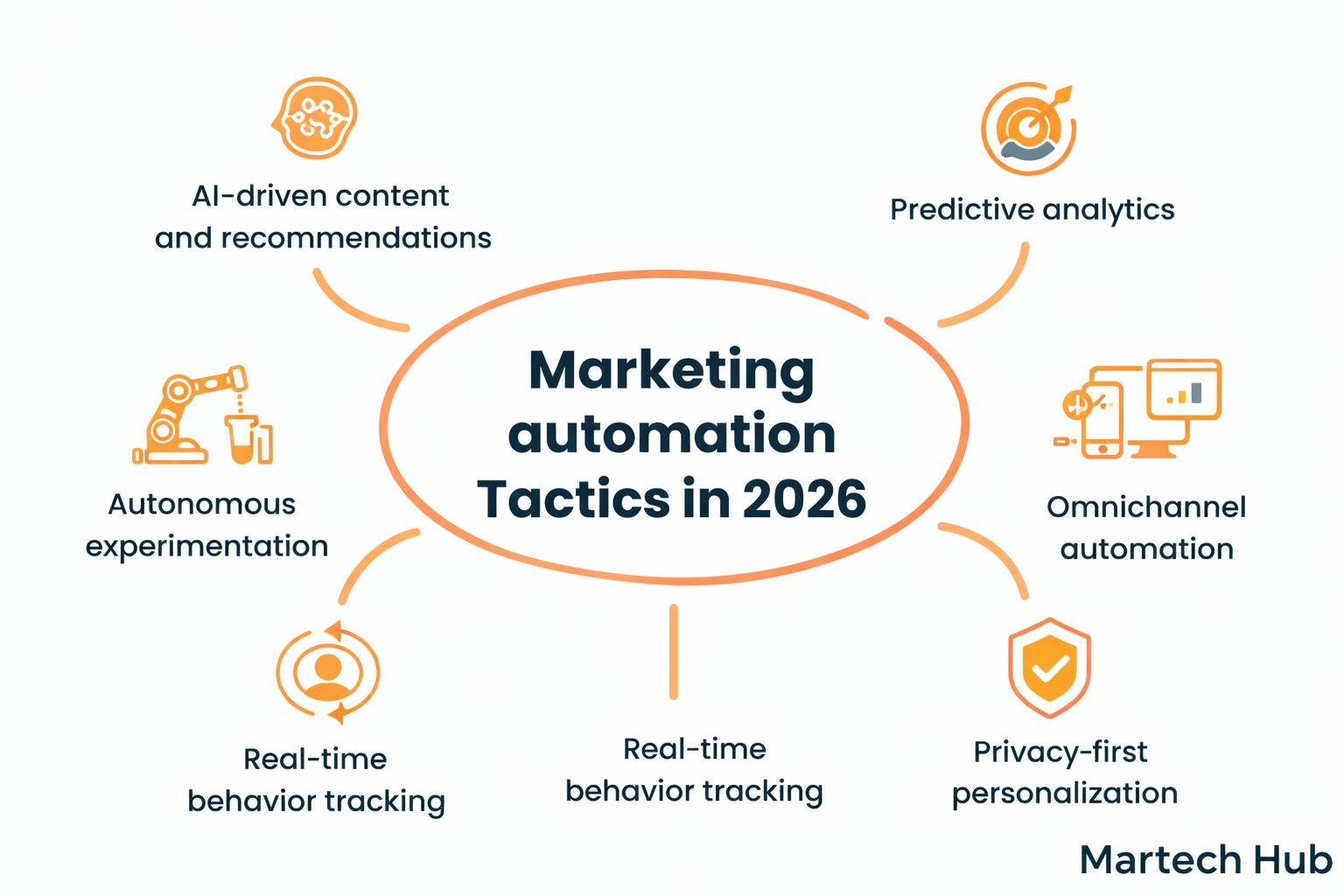
Despite heavy investment in marketing automation tools, many organizations struggle to see real ROI. The problem isn’t the technology—it’s the approach.
A common mistake is treating automation as a “set it and forget it” solution. Businesses often build workflows once and expect them to perform indefinitely. In reality, customer behavior changes constantly, and automation strategies must evolve alongside it. Without regular optimization, even the most sophisticated campaigns can become ineffective.
Another major issue is poor data quality. Automation relies heavily on accurate and unified data, but many companies operate with siloed systems. This leads to inconsistent messaging, irrelevant targeting, and missed opportunities.
To fix this, companies need to focus on three key areas: data integration, continuous testing, and personalisation. Automation should be treated as an ongoing process rather than a one-time setup. Regular A/B testing, performance reviews, and audience segmentation can significantly improve outcomes.
Ultimately, successful automation isn’t about doing more—it’s about doing it smarter. When strategy, data, and execution align, automation becomes a powerful growth engine rather than just another tool.