
Malaysia Airlines Adopts AI to Accelerate Campaign Production Across Global Markets
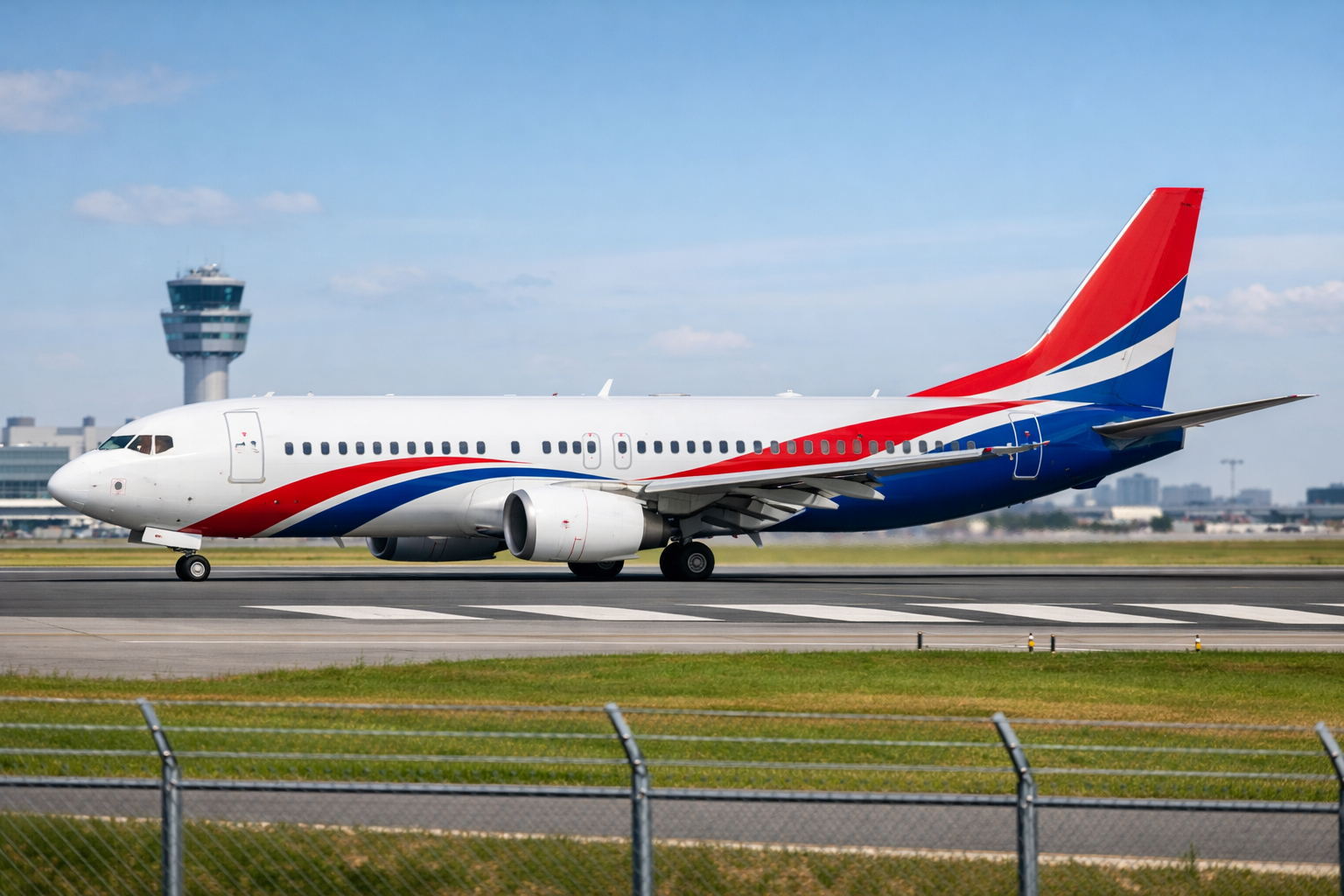
Malaysia Airlines is leveraging artificial intelligence and creative automation to streamline campaign production and reduce turnaround times, as brands increasingly look to scale marketing across multiple regions without adding operational complexity.
The airline has appointed Kingdom Digital as its creative automation partner following a competitive retainer pitch, formalising a collaboration that began in July 2024. The partnership is focused on reducing manual workloads and enabling faster adaptation of marketing assets across diverse markets.
Moving Beyond Manual Campaign Workflows
Traditionally, campaign production has required marketing teams to create multiple versions of the same asset to suit different languages, formats, and audience segments. This process is time-intensive and often slows execution, particularly for global brands operating across numerous markets.
Malaysia Airlines is addressing this challenge by introducing automated creative workflows. Instead of building each asset from scratch, automation systems generate variations using predefined templates and structured data inputs.
According to industry reporting, Kingdom Digital’s automation model can reduce production turnaround times by up to 80%, while maintaining creative oversight through a “human-in-the-loop” approach. This ensures that while automation handles repetitive tasks, human teams retain control over messaging, quality, and brand consistency.
Scaling Localisation Across Markets
Localisation remains one of the most complex aspects of global marketing. Campaigns must be adapted not only for language, but also for cultural nuances, visual preferences, and regional behaviors.
The partnership enables Malaysia Airlines to scale this process more efficiently. Campaigns spanning more than 20 countries can now be produced with multi-language creative assets across formats including static, HTML5, and video.
This is particularly relevant for the airline industry, where customer needs vary significantly across regions. Promotions for domestic travel differ from international campaigns, requiring tailored messaging and creative execution.
AI Moves Into Core Campaign Operations
The initiative reflects a broader shift in how AI is being used in marketing. Rather than being limited to testing and optimization, AI is increasingly embedded directly into production workflows.
For Malaysia Airlines, automation is becoming part of day-to-day campaign operations. By reducing the time spent on repetitive production tasks, marketing teams can focus more on strategic planning, brand development, and campaign performance.
At the same time, the airline is maintaining a balanced approach. Automation is not replacing creative teams but augmenting their capabilities. Human input remains critical for defining campaign direction, setting guidelines, and reviewing outputs.
Integrating Data and Creative Systems
The effectiveness of AI-driven campaign production is closely tied to data integration. Airlines, in particular, have access to extensive customer data through booking systems, loyalty programs, and digital interactions.
By connecting this data with creative automation systems, Malaysia Airlines can produce more targeted and relevant campaign variations, aligning content with specific audience segments and travel behaviors.
A Shift Toward System-Driven Marketing
The move signals a broader transformation in marketing execution. Instead of producing a limited number of assets, organizations are beginning to build systems capable of generating and managing large volumes of creative variations.
While high-impact brand campaigns will continue to require bespoke creative work, automation is expected to play an increasingly central role in ongoing digital marketing operations.
As Ryan Ong noted, the goal is not to replace human creativity but to enhance it by addressing operational challenges and unlocking new possibilities.
For Malaysia Airlines, the adoption of AI-driven automation represents a step toward faster, more scalable, and more adaptive marketing—balancing efficiency with creative control in an increasingly complex global landscape.