
Customer Digital Twins: The Future of Hyper-Personalization
For years, marketers have chased the promise of personalization. From addressing customers by their first name in emails to recommending products based on browsing history, the industry has steadily evolved toward more tailored experiences. Yet, despite advancements in data and technology, much of what is labeled “personalization” still operates at a surface level. It reacts rather than understands. It segments rather than truly knows. That is now beginning to change with the emergence of customer digital twins.
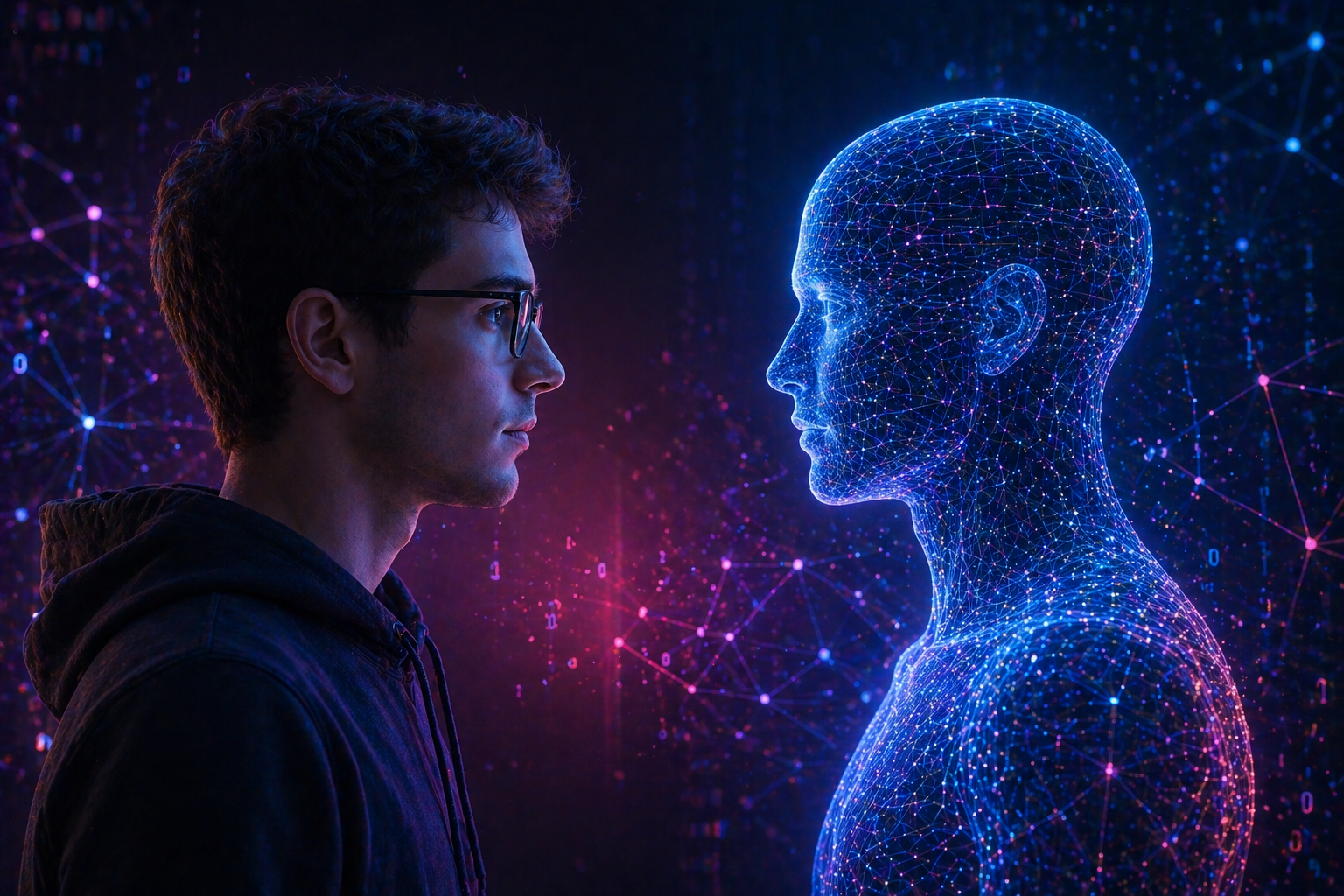
A customer digital twin is not just another data profile or CRM record. It is a dynamic, continuously evolving virtual representation of an individual customer, built by integrating behavioral data, transactional history, preferences, context, and even predictive insights. Borrowed from the concept of digital twins in manufacturing—where physical assets are replicated in digital form to simulate performance—this approach brings a new level of depth and intelligence to customer understanding.
What makes digital twins transformative is their ability to move beyond static snapshots of customer data. Traditional customer profiles are often fragmented and outdated, limited by siloed systems and periodic updates. A digital twin, by contrast, is designed to be real-time, adaptive, and predictive. It doesn’t just reflect what a customer has done; it anticipates what they are likely to do next. This shift from hindsight to foresight is what enables true hyper-personalization.
At the heart of this innovation lies the convergence of several powerful technologies. Artificial intelligence and machine learning play a central role, enabling systems to analyze vast amounts of structured and unstructured data to identify patterns and predict behaviors. Customer data platforms unify information from multiple touchpoints, creating a single source of truth. Meanwhile, advances in cloud computing and edge processing make it possible to update and activate these digital twins instantly across channels.
The implications for marketing are profound. Instead of targeting broad segments, brands can engage with individuals in ways that feel intuitive and context-aware. A digital twin can understand not just what a customer likes, but when they are most receptive, how their preferences change over time, and what factors influence their decisions. This allows brands to deliver experiences that are not only personalized, but also timely and relevant in a way that feels almost human.
Consider the difference between recommending a product based on past purchases and anticipating a need before it arises. A traditional system might suggest running shoes because a customer bought athletic gear last month. A digital twin, however, could recognize patterns in behavior, seasonal trends, and even external factors such as weather or upcoming events to predict when that customer is likely to need a new pair—and present the right option at the right moment. The experience shifts from reactive suggestion to proactive value.
Customer digital twins also redefine the concept of the customer journey. Instead of mapping generic pathways based on assumptions, brands can simulate and optimize journeys for each individual. By testing different scenarios within the digital twin environment, marketers can identify the most effective touchpoints, messages, and timing for engagement. This level of precision not only improves conversion rates but also enhances overall customer satisfaction.
Beyond marketing, the impact extends into customer experience, product development, and service delivery. In customer support, digital twins can provide agents with a comprehensive understanding of an individual’s history and preferences, enabling faster and more personalized resolutions. In product development, insights derived from digital twins can inform design decisions based on real-world usage patterns and unmet needs. The result is a more customer-centric organization at every level.
However, the rise of customer digital twins also brings significant challenges, particularly around data privacy and ethics. Creating such detailed representations of individuals requires access to extensive personal data, raising questions about consent, transparency, and security. Consumers are becoming increasingly aware of how their data is used, and trust is no longer optional. Brands must ensure that digital twin initiatives are built on a foundation of responsible data practices, with clear communication and robust safeguards.
There is also the challenge of complexity. Building and maintaining digital twins requires sophisticated infrastructure, seamless data integration, and advanced analytical capabilities. Many organizations still struggle with fragmented systems and inconsistent data quality, which can limit the effectiveness of even the most advanced models. Success in this space demands not just technology, but also organizational alignment and a commitment to continuous improvement.
Despite these challenges, the momentum behind customer digital twins is undeniable. As competition intensifies and customer expectations continue to rise, the ability to deliver truly personalized experiences is becoming a key differentiator. Brands that embrace this approach early will be better positioned to build deeper relationships, foster loyalty, and drive long-term growth.
The future of hyper-personalization is not about more data, but about better understanding. Customer digital twins represent a shift toward a more intelligent, empathetic, and proactive form of engagement—one that treats each customer not as a data point, but as a dynamic individual. In this new paradigm, personalization is no longer a feature; it is the foundation of meaningful customer relationships.
As the technology matures, we can expect digital twins to become increasingly sophisticated, incorporating real-time emotional signals, contextual awareness, and even cross-channel behavioral synchronization at a granular level. The line between digital and human interaction will continue to blur, creating experiences that feel seamless, intuitive, and deeply personal.
In the end, the question is not whether customer digital twins will shape the future of marketing, but how quickly organizations can adapt to this new reality. Those who do will move beyond personalization as a tactic and embrace it as a strategic capability—unlocking a level of customer understanding that was once unimaginable.